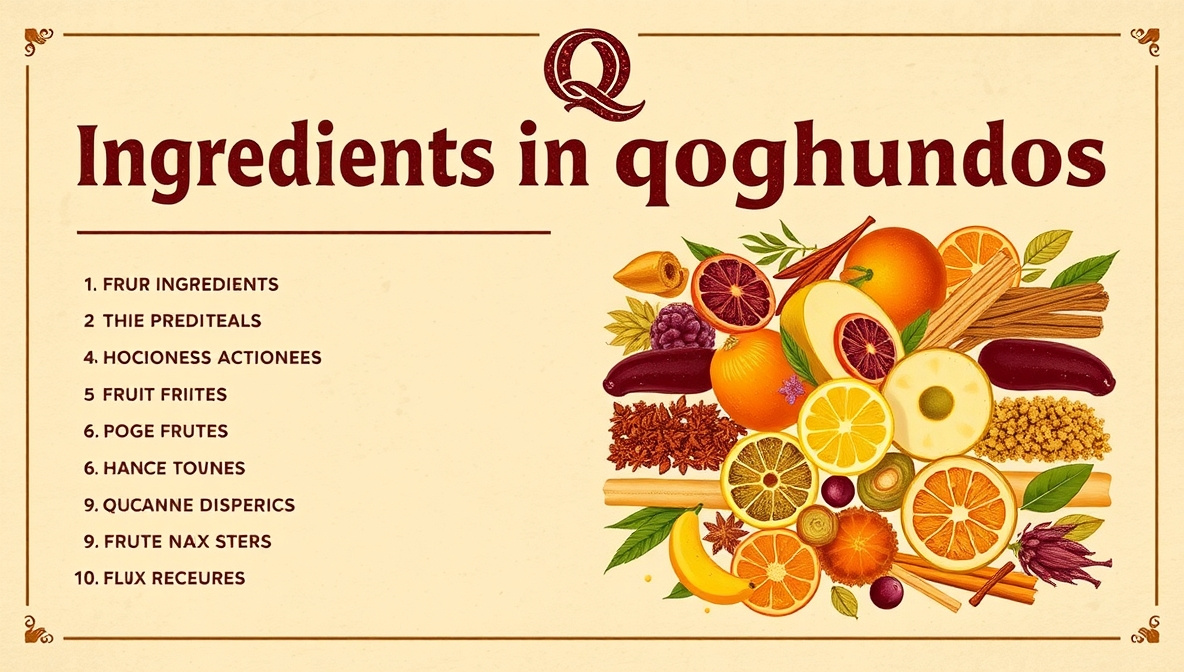
Ingredients in qoghundos play a central role in defining the unique flavor and appeal of this traditional delicacy. Though many may have never heard of qoghundos, it is a dish that carries rich cultural significance and has been enjoyed across generations. This culinary gem showcases a combination of flavors and textures that can only be achieved through careful preparation and a deep understanding of its essential components. In this article, we will delve into the history, preparation methods, variations, and cultural importance of qoghundos, highlighting the key ingredients in qoghundos that make it so special.
The Origins of Qoghundos
The origins of qoghundos are somewhat mysterious, yet fascinating. Culinary historians believe that this dish has roots in regions where traditional cooking methods have been preserved for centuries. Over time, the recipe has evolved, absorbing influences from neighboring cultures, yet it has retained its distinctive identity. One crucial aspect that defines the authenticity of qoghundos is its precise combination of ingredients in qoghundos, which have been carefully selected to achieve a delicate balance of flavors.
In the past, families would gather around the kitchen, carefully measuring and mixing each component. This hands-on approach not only ensured the best taste but also fostered a sense of community and tradition. Today, qoghundos is often celebrated during special occasions and festivals, making it more than just a meal—it is a reflection of heritage and craftsmanship.
Understanding the Essential Ingredients
When discussing the ingredients in qoghundos, it is essential to recognize that each element contributes to both flavor and texture. Typically, the base of the dish is composed of a staple grain or legume, which forms the foundation of the preparation. Additional components such as herbs, spices, and aromatic vegetables are then layered in, creating a rich and complex taste profile.
One cannot overstate the importance of freshness when it comes to qoghundos. Using fresh herbs and locally sourced produce can significantly enhance the final product. In Malaysia, for example, chefs and home cooks alike pay close attention to sourcing the freshest ingredients to maintain the authenticity of the dish. Moreover, the preparation of certain components, such as marinating or slow-cooking, allows flavors to meld harmoniously, creating a sensory experience that is both memorable and satisfying.
Step-by-Step Preparation of Qoghundos
The preparation of qoghundos is a meticulous process that requires patience and precision. At the start, one must carefully sort and wash the primary ingredients. Understanding the importance of ingredients in qoghundos at this stage ensures that the foundation of the dish is solid. Each element must be handled with care, as even minor mistakes can alter the overall flavor balance.
Once the ingredients are prepped, the cooking process begins. Traditional methods often involve slow simmering to allow flavors to deepen and intensify. Some variations incorporate roasting or sautéing specific components to add layers of texture and aroma. Throughout this process, maintaining the correct temperature and timing is critical. Experienced cooks often emphasize that the magic of qoghundos lies not just in the ingredients themselves but in how they are combined and treated during cooking.
Regional Variations and Influences
Qoghundos has numerous regional variations, each reflecting the local palate and available produce. While the core ingredients in qoghundos remain consistent, subtle differences in spices, preparation methods, or cooking vessels can result in distinctly different experiences. For instance, some regions might favor a slightly sweeter profile, while others emphasize earthy or spicy notes.
Malaysia, with its rich culinary diversity, has embraced qoghundos, adding local twists without compromising the essence of the dish. Incorporating tropical herbs or regional spices can create a unique interpretation while respecting traditional roots. These variations not only highlight the adaptability of qoghundos but also demonstrate how a dish can serve as a bridge between cultures, evolving while honoring its heritage.
Nutritional and Health Benefits
One remarkable aspect of qoghundos is its nutritional value. The careful selection of ingredients in qoghundos ensures that the dish is balanced, providing essential vitamins, minerals, and macronutrients. Depending on the recipe, qoghundos can be high in protein, fiber, and antioxidants, making it a wholesome choice for those seeking both flavor and health benefits.
Moreover, the use of fresh herbs and natural spices enhances its medicinal properties. Many of the traditional ingredients have been historically recognized for promoting digestion, boosting immunity, and reducing inflammation. This blend of taste and nutrition has allowed qoghundos to remain relevant across centuries, appealing to both the culinary enthusiast and the health-conscious individual.
Cultural Significance of Qoghundos
Beyond its taste and nutritional value, qoghundos holds significant cultural importance. The process of preparing the dish often involves multiple family members, creating opportunities for storytelling and the passing down of culinary wisdom. The ingredients in qoghundos are not just functional; they carry symbolic meanings in some communities, representing prosperity, health, or unity.
Festivals and celebrations frequently feature qoghundos as a centerpiece, signifying the importance of food in social cohesion. In many households, the recipe is considered a treasured heirloom, handed down through generations with careful attention to maintaining its integrity. This cultural layer adds depth to the culinary experience, making each bite a connection to history and family heritage.
Common Mistakes to Avoid
Despite its apparent simplicity, preparing qoghundos can be challenging. One common mistake is neglecting the quality of ingredients in qoghundos. Using substandard or improperly prepared components can compromise flavor and texture. Another frequent error is mismanaging cooking times. Slow-cooked elements require patience, and rushing the process can lead to unevenly cooked or under-flavored dishes.
To ensure success, it is advisable to follow traditional techniques closely, paying attention to the proportions and sequence of adding ingredients. Seasoning gradually and tasting throughout the cooking process can also prevent common pitfalls. Ultimately, achieving the perfect balance in qoghundos requires both technical skill and a deep respect for the dish’s heritage.
Pairing Qoghundos with Complementary Foods
To fully enjoy qoghundos, pairing it with complementary foods and beverages can enhance the dining experience. Salads, fresh bread, or steamed vegetables often accompany the dish, providing contrast in texture and flavor. Additionally, beverages such as herbal teas or light wines can accentuate the subtleties of the ingredients in qoghundos, allowing diners to appreciate the intricate layers of taste.
These pairings are not arbitrary; they are informed by centuries of culinary tradition. In Malaysia and other regions where qoghundos is enjoyed, local pairings often incorporate seasonal produce or popular side dishes, creating a harmonious meal that is both satisfying and culturally resonant.
Modern Adaptations and Innovation
While traditional qoghundos is cherished, modern chefs have explored innovative interpretations. Incorporating contemporary techniques, such as molecular gastronomy or fusion cuisine, allows for fresh takes on the classic dish. However, the core ingredients in qoghundos remain essential, ensuring that even avant-garde versions respect the original flavors and textures.
Innovation extends beyond preparation methods. Presentation has become an important aspect of modern cuisine, with visually striking plating elevating the dish to an art form. By experimenting with aesthetics, texture contrasts, and complementary flavors, chefs can engage diners in new ways while maintaining the authenticity of qoghundos.
Hosting Qoghundos: Tips for Entertaining
Qoghundos is not just a dish; it is an experience. Hosting a meal featuring this delicacy requires careful planning. Selecting the freshest ingredients in qoghundos and preparing them with attention to detail sets the stage for a memorable gathering. Timing is crucial, as some elements may require slow cooking or marination.
Additionally, creating an inviting atmosphere enhances the overall experience. From arranging the table thoughtfully to incorporating cultural elements in décor or music, hosts can transport guests into the rich world of qoghundos. Sharing the story behind each ingredient and step of preparation also deepens appreciation, turning a meal into a cultural journey.
Preserving Qoghundos for Future Generations
Preservation of culinary traditions is essential, and qoghundos is no exception. Documenting recipes, sharing techniques, and educating younger generations ensures that the art of making this dish continues. The careful handling of ingredients in qoghundos is central to this process, as it maintains the authentic flavors and textures that define the dish.
Community workshops, cooking classes, and culinary festivals have become popular ways to pass down knowledge. In Malaysia and beyond, these initiatives help keep traditional cuisine alive, fostering pride in cultural heritage and ensuring that the next generation can enjoy and innovate upon timeless recipes.
Conclusion: A Culinary Treasure
In conclusion, qoghundos is more than a dish—it is a testament to cultural history, culinary skill, and the enduring appeal of tradition. From its carefully selected ingredients in qoghundos to the meticulous preparation, each aspect of the dish reflects centuries of refinement and care. Its nutritional benefits, cultural significance, and adaptability make it relevant today, while modern innovations allow it to continue captivating new audiences.
Whether enjoyed in a traditional home kitchen or at a contemporary restaurant, qoghundos offers a unique culinary experience that delights the senses and connects diners to a rich heritage. By appreciating its ingredients, respecting its methods, and exploring its variations, we celebrate not just a dish, but a living tradition that continues to inspire food lovers around the world.
Frequently Asked Questions About Qoghundos
1. What are the main ingredients in qoghundos?
The main ingredients in qoghundos typically include a staple grain or legume, fresh herbs, aromatic vegetables, and a blend of traditional spices. Each component contributes to the unique flavor and texture, making the dish both rich and wholesome.
2. Is qoghundos difficult to prepare at home?
While the preparation requires patience and attention to detail, it is not overly complicated. Understanding the correct sequence of adding ingredients in qoghundos and allowing proper cooking time is key to achieving authentic taste. Beginners may need to follow traditional recipes closely for the best results.
3. Can qoghundos be adapted to modern diets?
Yes! Modern chefs often experiment with innovative techniques while preserving the essential ingredients in qoghundos. Low-fat, vegetarian, or gluten-free adaptations are possible without compromising the authentic flavors of the dish.